Event planning often looks smooth on the surface, yet behind every successful gathering sits a network of temporary systems working quietly together. Questions naturally arise once power cords, lighting towers, generators, and restroom trailers enter the picture. A variation of this topic often appears as questions people ask about event equipment rentals, especially when reliability and safety matter most. The discussion ahead walks through common concerns, explains why they come up, and shares guidance shaped by real-world experience.
Pelican Events regularly advises planners navigating unfamiliar setups, noting that “most issues are avoided when equipment decisions happen early, before timelines tighten and stress builds.” Their guidance reflects years of coordinating temporary infrastructure where timing, placement, and preparation carry real consequences.
Questions About Event Equipment
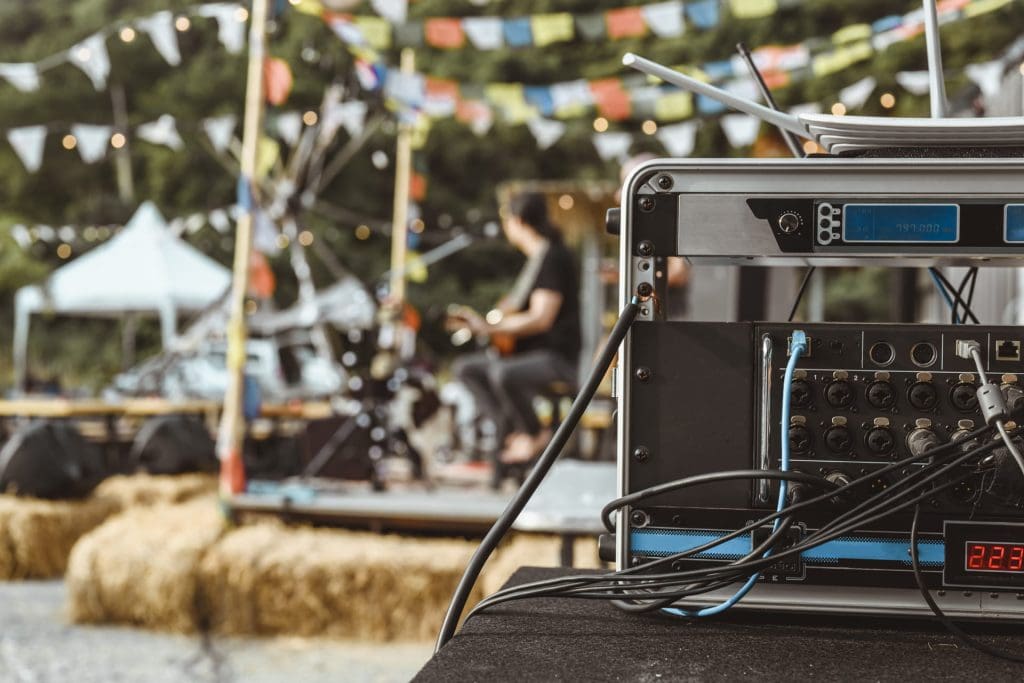
Planning teams frequently encounter uncertainty once diagrams turn into physical layouts, especially when multiple systems must work at once. One outdoor festival, for example, required lighting, restrooms, and power spread across uneven ground, which quickly revealed how early planning prevents last-minute scrambling. Experience shows that confusion rarely comes from the equipment itself, but from how each piece connects to the rest. These questions surface repeatedly because events rarely follow identical layouts.
- Multiple vendors often rely on shared power sources
- Site conditions change once equipment arrives
- Safety inspections require clear documentation
1. What Equipment Is Needed
Event equipment needs depend heavily on crowd size, duration, and activity flow, not just the type of gathering. A small evening event may require lighting and limited power, while a full-day program often needs generators, distribution panels, and restroom facilities working together. The Federal Emergency Management Agency notes that temporary power planning plays a major role in event safety and continuity. Equipment lists grow as timelines extend.
- Power generation and distribution components
- Lighting for visibility and security
- Sanitation support for guest comfort
2. How Much Equipment Costs
Pricing varies widely because equipment rentals reflect scale, duration, and technical demands. Costs increase when systems run longer hours or require specialized monitoring. The U.S. Department of Energy explains that generator sizing and fuel usage significantly affect operating expenses. Accurate estimates rely on load calculations rather than guesswork.
- Length of rental period
- Total electrical demand
- Staffing or on-site supervision needs
3. When To Reserve Rentals
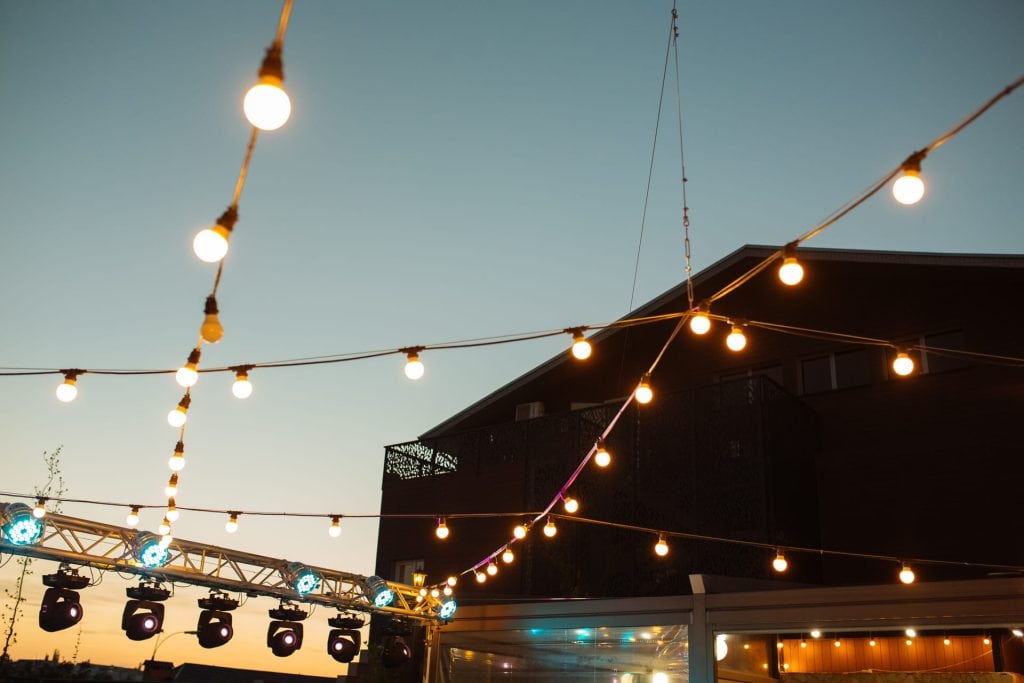
Availability often determines success more than budget alone. Peak seasons, especially during festivals and large regional events, place strain on inventory. Industry planning guidance from Ready.gov emphasizes early coordination to prevent shortages. Booking late compresses setup windows.
- High-demand dates reduce equipment options
- Early reservations allow layout planning
- Delivery scheduling becomes smoother
4. Power Requirements Explained
Power needs extend beyond plugging items into outlets. Electrical loads stack quickly once sound systems, lighting, refrigeration, and charging stations combine. The Occupational Safety and Health Administration stresses that improper load management increases fire risk. Proper planning balances demand safely.
- Total wattage calculations
- Separation of sensitive electronics
- Grounding and protection measures
5. Generator Size Selection
Selecting generator size requires more than estimating attendance. Equipment startup surges demand extra capacity beyond steady use. The Department of Energy highlights that undersized generators experience higher failure rates. Oversizing slightly often prevents outages.
- Startup surge requirements
- Continuous operating load
- Fuel efficiency considerations
6. Electrical Distribution Basics
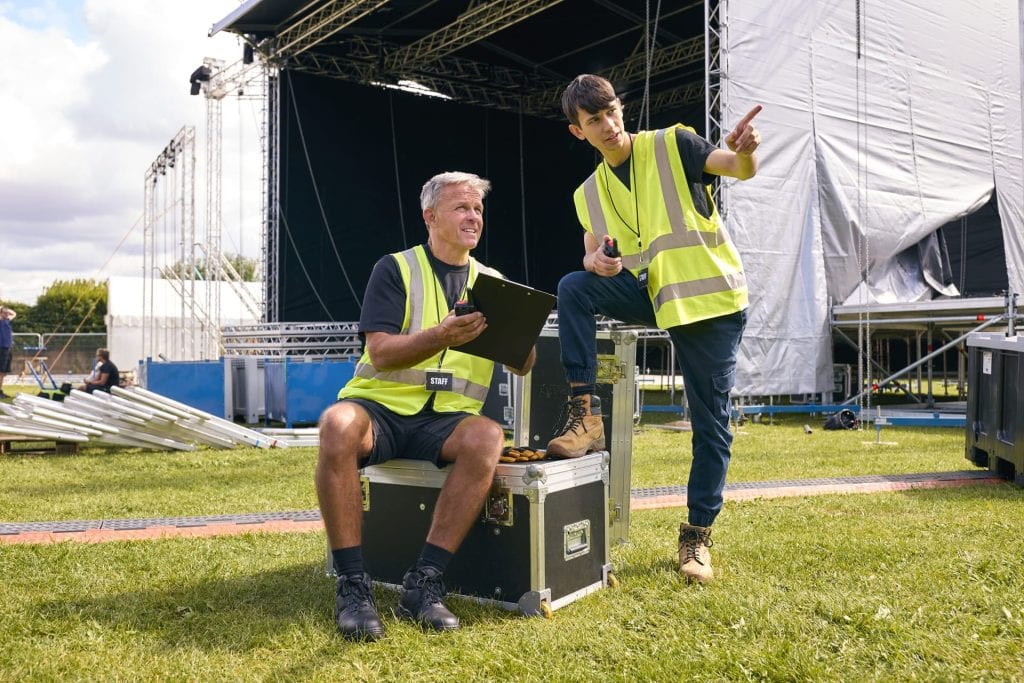
Distribution systems control how power travels across a site. Panels, cabling, and connectors manage flow while protecting equipment and guests. OSHA safety guidance outlines clear separation standards for temporary wiring. Organized layouts reduce tripping hazards.
- Panel placement planning
- Cable routing paths
- Circuit labeling clarity
7. Outdoor Event Preparation
Outdoor settings introduce variables that indoor venues avoid. Weather, terrain, and moisture exposure all influence setup decisions. NOAA weather guidance shows that rain and heat significantly affect electrical performance. Protective measures become essential.
- Weather-resistant enclosures
- Elevated cabling paths
- Drainage awareness
8. Restroom Rental Options
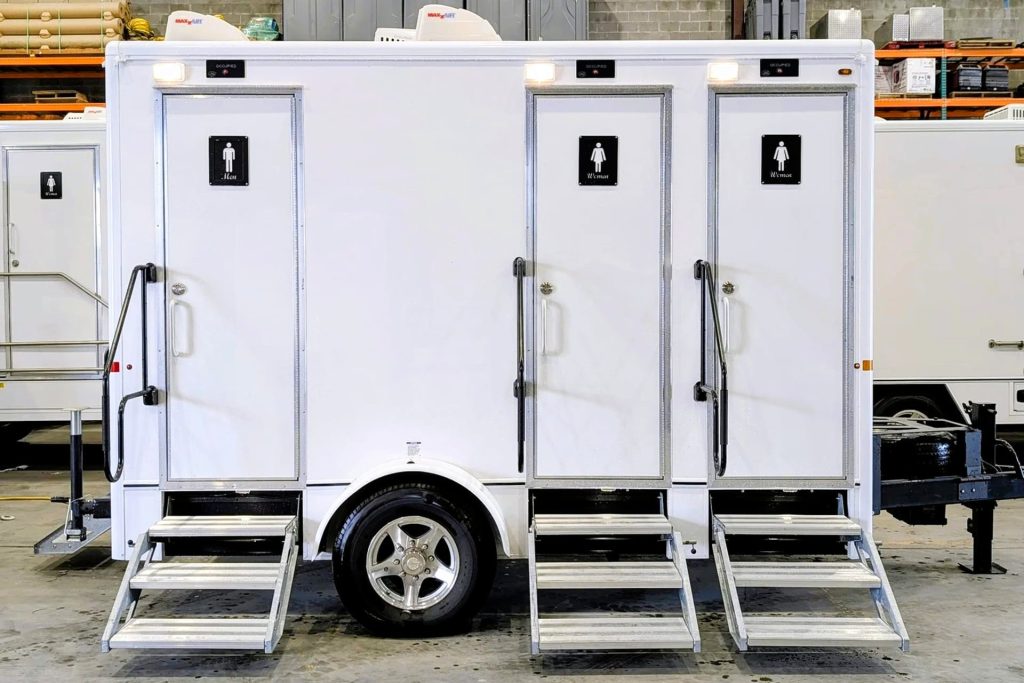
Sanitation planning shapes guest experience more than many expect. Portable units suit short events, while restroom trailers support longer schedules with higher comfort demands. Public health agencies stress restroom access as a basic requirement for crowd health. Capacity planning prevents long lines.
- Attendance-based unit counts
- Handwashing station placement
- Service schedule timing
9. Delivery Setup Process
Delivery timing affects every other vendor on site. Equipment must arrive in sequence so layouts remain functional. Event safety manuals from FEMA emphasize controlled setup zones. Coordinated arrivals limit congestion.
- Staggered delivery windows
- Clear access routes
- Designated staging areas
10. Backup Planning Needs
Backup systems protect events from unpredictable disruptions. Secondary generators or spare components keep operations moving if primary equipment fails. Ready.gov identifies redundancy as a core risk-management strategy. Preparation limits downtime.
- Secondary power sources
- Emergency response planning
- On-site monitoring options
Event Equipment Rental Planning Insights
Careful coordination connects each topic discussed, from power design to restroom placement, revealing how small decisions ripple outward. Equipment functions best when treated as a system rather than isolated pieces. Pelican Events often explains that early collaboration prevents pressure-filled fixes later, especially when multiple vendors depend on shared infrastructure. Thoughtful preparation reduces surprises and supports smoother event flow.
Key Takeaways About Event Equipment Rentals
- Early planning prevents equipment shortages
- Accurate power calculations reduce safety risks
- Outdoor conditions demand protective measures
- Sanitation capacity affects guest comfort
- Backup systems guard against interruptions
Frequently Asked Questions
How early should equipment planning begin?
Planning often starts several months ahead for large gatherings, allowing time for site assessments and layout adjustments.
Why do generators vary so much in size?
Different equipment draws power differently, especially during startup, which changes capacity requirements.
What happens if weather changes suddenly?
Protective enclosures, elevated cabling, and contingency planning help maintain operation during shifting conditions.
Are restroom counts based only on attendance?
Duration, food service, and alcohol availability also influence how many units are needed.
Can multiple vendors share one power source?
Shared power works only when loads are calculated and distributed properly through approved panels.

Piper specializes in crafting compelling narratives for local businesses throughout the unique landscape of Louisiana and beyond.